

Why Technical SEO Improves Search Engine Rankings
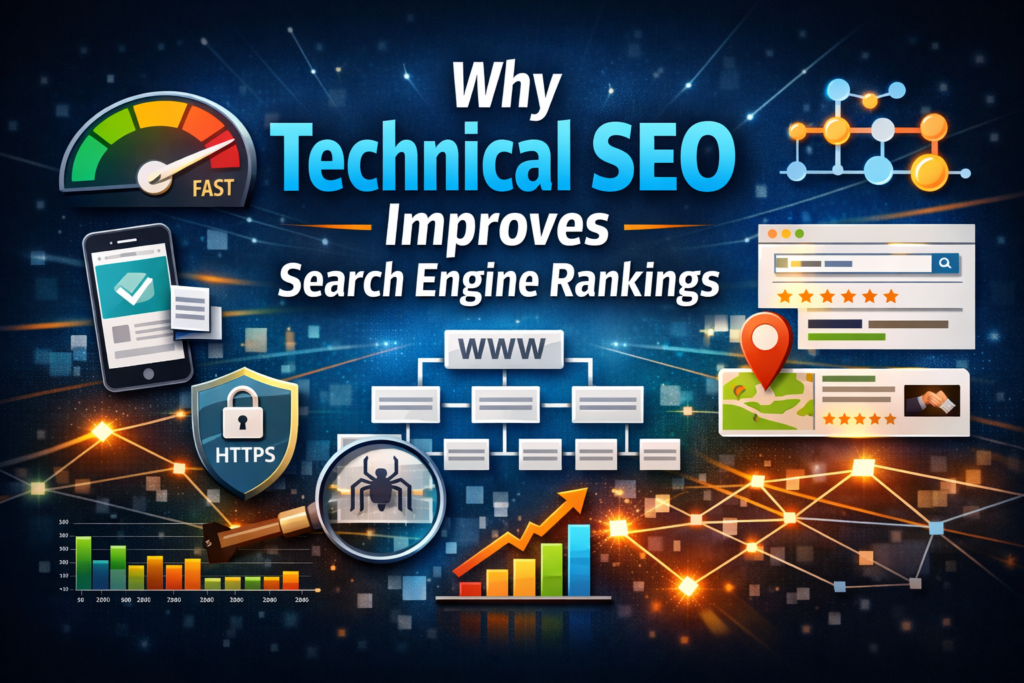
Search engine optimization is often discussed in terms of content quality and backlinks—but technical SEO is the framework that allows everything else to work. Without it, even the best-written pages and most authoritative links can struggle to rank.
Technical SEO determines how search engines crawl, render, understand, and prioritize your website. It directly influences whether your pages are indexed correctly, how fast they load, how users interact with them, and whether search engines trust your site enough to rank it competitively.
For business owners and service-based companies, this matters because technical SEO impacts visibility, traffic quality, conversions, and long-term scalability. As search engines rely more on performance metrics, user experience signals, and machine-readable structure, technical SEO is no longer optional—it’s foundational.
This guide explains why technical SEO improves search engine positions, how it influences rankings at a systems level, and why businesses investing in it consistently outperform competitors relying on content alone.
TABLE OF CONTENT
Share This Post
What Is Technical SEO (and Why It’s Different From Content SEO)
Technical SEO is the process of optimizing a website’s infrastructure, performance, and architecture so search engines can efficiently crawl, index, render, and rank its pages.
Unlike content SEO (what users read) or off-page SEO (external authority signals), technical SEO focuses on:
Crawlability and indexation
Site structure and internal linking
Page speed and performance
Mobile usability
Security (HTTPS)
Structured data and schema markup
Server behavior and rendering
Think of content as the message and technical SEO as the delivery system. If delivery fails, the message never arrives.
Why Technical SEO Is Important for Rankings
Search engines want to deliver fast, accurate, and trustworthy results. Technical SEO directly supports this goal by removing friction between your site and search engine crawlers.
Key ranking impacts of technical SEO:
Faster crawling and indexing
Reduced crawl waste
Improved page experience signals
Higher content discoverability
Better alignment with ranking algorithms
Google’s algorithm increasingly evaluates how a site performs, not just what it says. This shift accelerated with the introduction of Core Web Vitals, mobile-first indexing, and enhanced search features powered by structured data.
How Technical SEO Improves Search Engine Visibility
Visibility isn’t just about ranking—it’s about being fully understood and displayed correctly across search results, AI Overviews, and enhanced SERP features.
Technical SEO improves visibility by:
Ensuring all important pages are indexed
Enabling rich results (FAQs, reviews, services)
Preventing duplicate or competing URLs
Supporting AI-readable site structure
Improving click-through rates via enhanced snippets
A technically optimized website communicates clearly with search engines, making it easier for algorithms—and AI systems—to surface your content as an authoritative answer.
Benefits of Technical SEO for Google Rankings
1. Improved Crawl Efficiency
Search engines have limited crawl budgets. Clean site architecture, optimized robots.txt files, XML sitemaps, and logical internal linking help bots find and prioritize your most valuable pages.
2. Stronger Indexation Signals
Eliminating duplicate content, fixing canonical errors, and resolving redirect chains ensures the correct pages are indexed and ranked.
3. Enhanced Page Experience Metrics
Google measures how users experience your site. Faster load times, stable layouts, and responsive interactions directly support higher rankings.
4. Higher Trust and Security Signals
HTTPS encryption signals legitimacy and protects users—both of which search engines reward.
5. Better Compatibility With AI Search Systems
AI-driven engines rely on structured data, clean HTML, and predictable site hierarchies. Technical SEO makes your site machine-readable, not just human-readable.
Does Page Speed and Technical SEO Affect SEO Rankings?
Yes—page speed is one of the most measurable and impactful technical ranking factors.
Search engines evaluate performance using Core Web Vitals, which focus on real-world user experience:
Largest Contentful Paint (LCP): Measures loading speed
Interaction to Next Paint (INP): Measures responsiveness
Cumulative Layout Shift (CLS): Measures visual stability
Why page speed impacts rankings:
Faster sites reduce bounce rates
Faster rendering improves engagement
Faster interaction increases conversions
Faster experiences align with Google’s UX goals
Technical SEO improvements such as image compression, caching, critical CSS, JavaScript optimization, and modern file formats (WebP, WebM) directly improve these metrics.
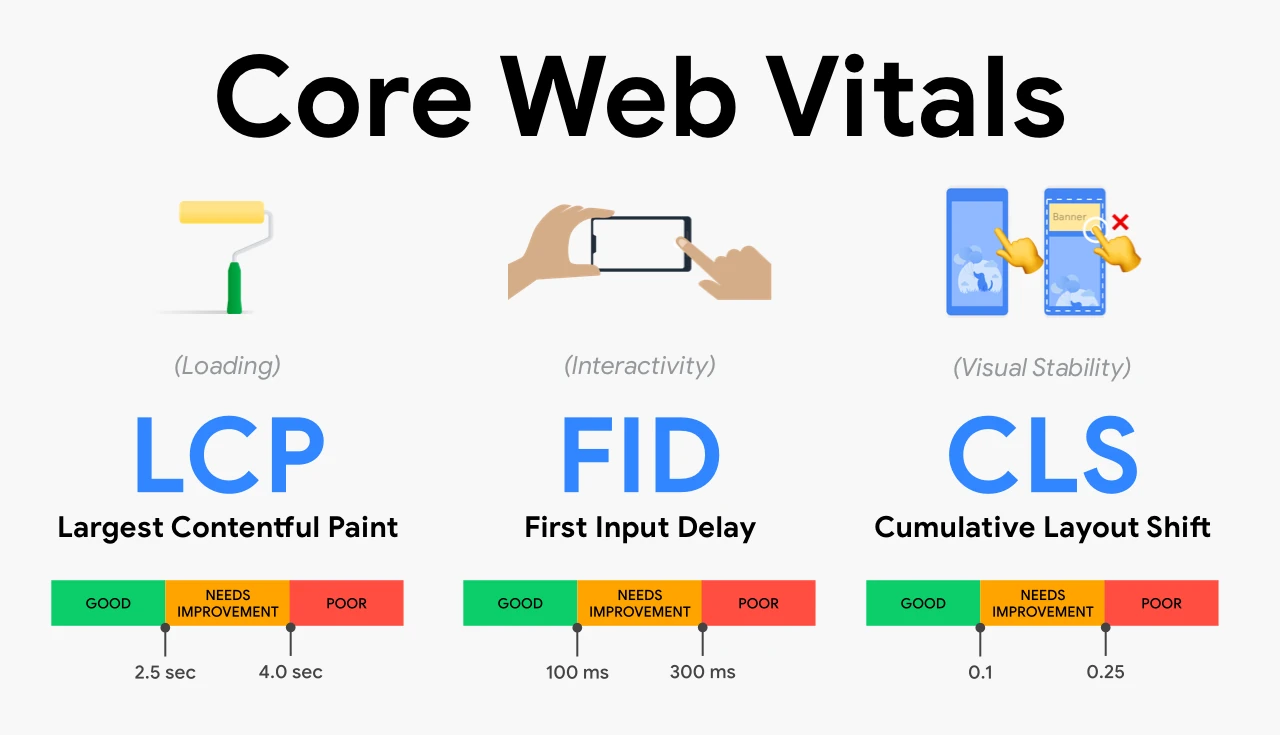
Core Web Vitals measure loading speed, interactivity, and visual stability—key technical SEO factors Google uses to evaluate page experience and rankings.
How Site Structure and Crawlability Impact SEO Performance
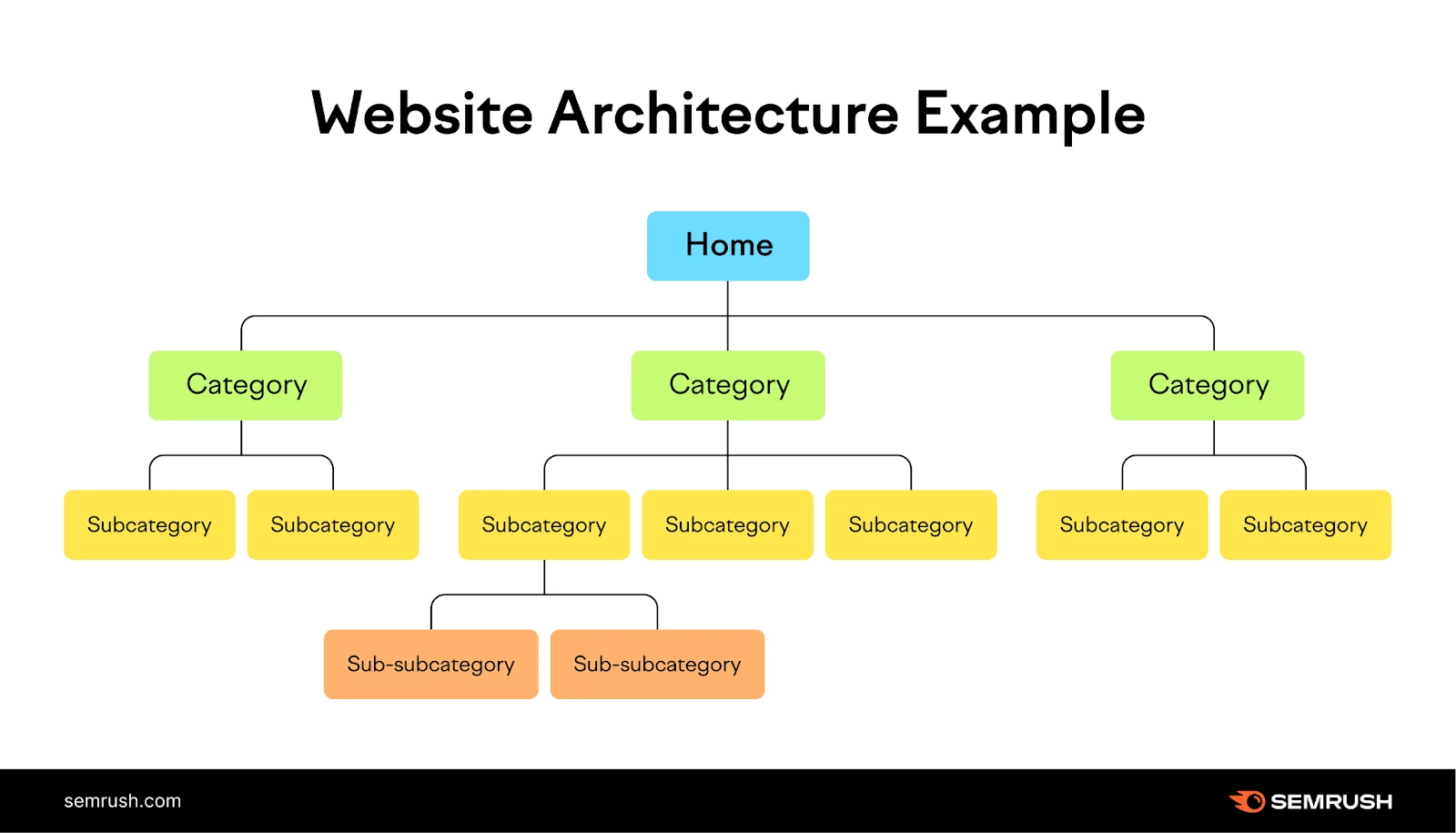
A clear website architecture helps search engines crawl, understand, and prioritize important pages for higher rankings.
Site structure is one of the most overlooked—but most powerful—technical SEO elements.
Why structure matters:
Helps search engines understand content relationships
Distributes authority through internal links
Prevents orphaned pages
Supports topical relevance and silos
Best practices:
Logical URL hierarchy
Flat architecture (important pages ≤3 clicks deep)
Clear internal linking between related services
XML sitemaps aligned with priority pages
For service businesses, this directly improves local SEO, service page rankings, and lead generation paths.
Mobile-Friendliness and Responsive Design
Search engines primarily evaluate the mobile version of your site. If your mobile experience is slow, broken, or incomplete, rankings suffer—even for desktop users.
Technical mobile optimization includes:
Responsive layouts
Optimized font sizing
Touch-friendly navigation
Reduced mobile payload sizes
Eliminating intrusive interstitials
A mobile-optimized site improves usability, engagement, and conversions while satisfying mobile-first indexing requirements.
Secure Websites (HTTPS) and SEO Trust Signals
Security is now table stakes.
HTTPS:
Protects user data
Prevents browser warnings
Improves trust and conversions
Acts as a confirmed ranking signal
Sites without HTTPS may see lower rankings, reduced user confidence, and higher abandonment rates.
Structured Data, Schema Markup, and AI Search Visibility
Structured data allows search engines and AI systems to understand context, not just keywords.
Benefits include:
Rich results (FAQs, reviews, services)
Enhanced click-through rates
Eligibility for AI Overviews
Improved entity recognition
Schema types commonly used in technical SEO:
Organization
LocalBusiness
Service
FAQ
Article
BreadcrumbList
For lead-driven businesses, schema increases visibility and credibility at the exact moment users are comparing options.
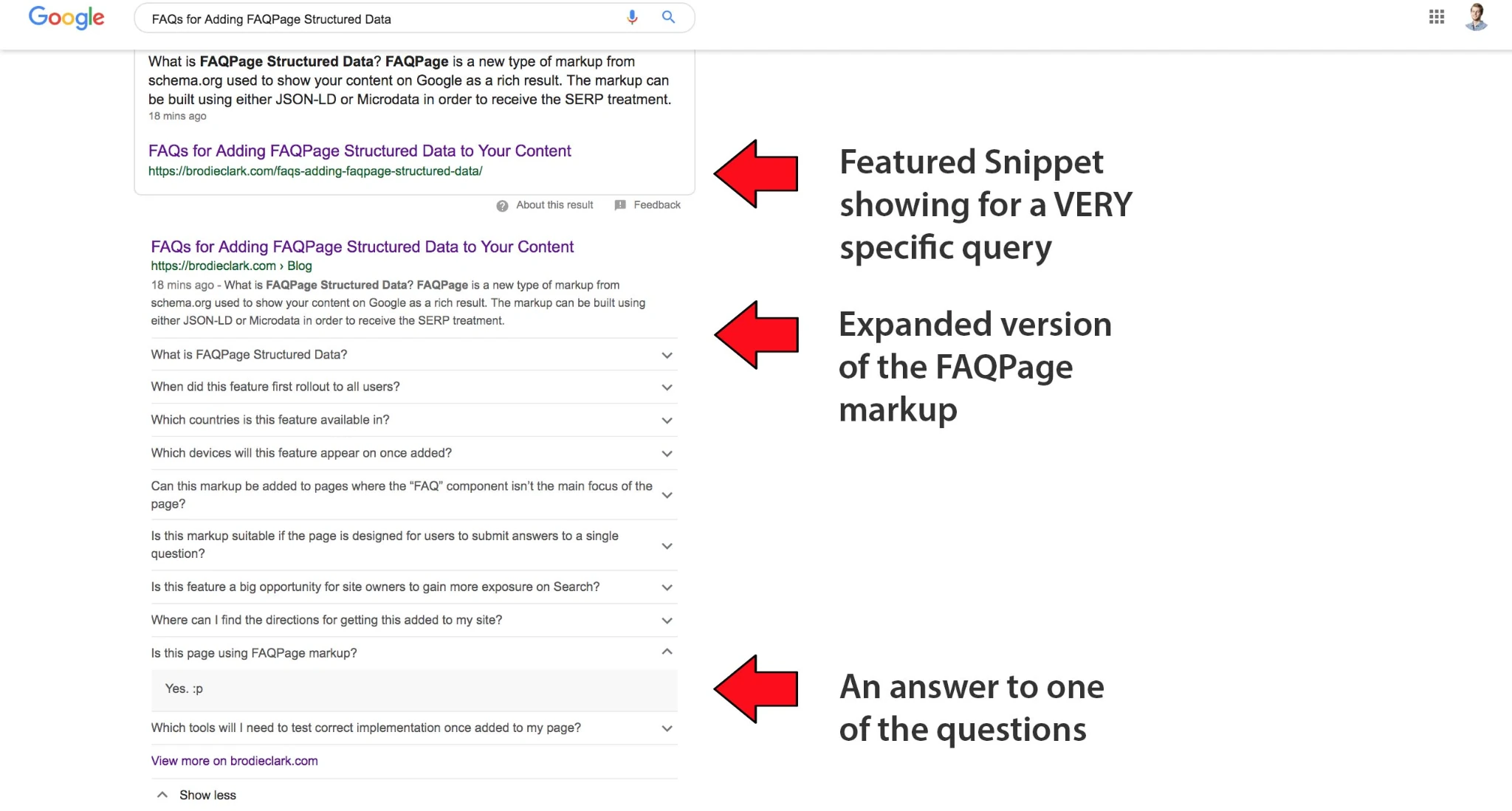
Example of FAQPage schema markup generating featured snippets and expanded FAQ results in Google search
Technical SEO as the Foundation of Long-Term Growth
Technical SEO doesn’t replace content or backlinks—it amplifies them.
Without technical optimization:
Content may not be indexed
Authority may not consolidate
UX signals may suppress rankings
AI engines may overlook your site
With it:
Content ranks faster
Links pass value efficiently
Users convert more often
Growth becomes scalable
This is why technical SEO is a core service at Smart Target Digital and a prerequisite for any serious SEO campaign.
Final Thought: Why Technical SEO Is a Competitive Advantage
Technical SEO is no longer a background task—it’s a ranking lever, visibility multiplier, and conversion driver.
Businesses that invest in technical SEO gain:
Faster indexing
Stronger rankings
Better user experience
Higher trust signals
Future-proof visibility for AI search
If your website is slow, hard to crawl, or structurally inefficient, rankings will always plateau—no matter how good the content is.
Author of This Post

Alexander Robinson III
Founder/Director of SEO
Download Our Guides
Content Categories
Solutions


FAQ's
Yes. Technical SEO directly affects crawlability, indexation, page experience, and performance—all confirmed ranking factors.
Ready to reach your target audience? Let's talk!
Get started by requesting a 30 minute meeting to discuss your goals and learn how our Streaming Ads, SEO, and Brand Awareness Strategies can help.
Share This Post