

How Ai is Changing SEO
Search is no longer just a list of blue links. It’s answers, summaries, comparisons, and decisions made directly inside AI-powered interfaces.
If you work in SEO, content strategy, or in-house marketing, you’ve likely already seen the effects: impressions holding steady while clicks decline, “position one” pages losing traffic, and leadership asking why rankings don’t look like they used to.
This shift isn’t theoretical. AI SEO is already redefining how users search, how content is surfaced, and how success is measured. Generative AI systems increasingly answer questions directly in the SERP, synthesize information from multiple sources, and decide which brands are credible enough to cite.
This guide explains how AI is changing SEO in practical terms:
What types of content lose traffic
What content gains value
How workflows, calendars, and KPIs must evolve
How to optimize for AI search results without abandoning traditional SEO fundamentals
TABLE OF CONTENT
Share This Post
How AI Is Changing How People Search
From Queries to Conversations
Search behavior has become more conversational and intent-driven. Instead of short keyword strings, users ask complete questions, follow up, and refine intent in real time.
AI-powered search experiences increasingly:
Answer “what is” and “how to” queries directly
Reduce the need to click for basic information
Favor clarity over keyword density
Studies from SparkToro and Similarweb have shown that AI Overviews and answer-in-SERP experiences can reduce organic clicks by 30–45% for certain informational queries.
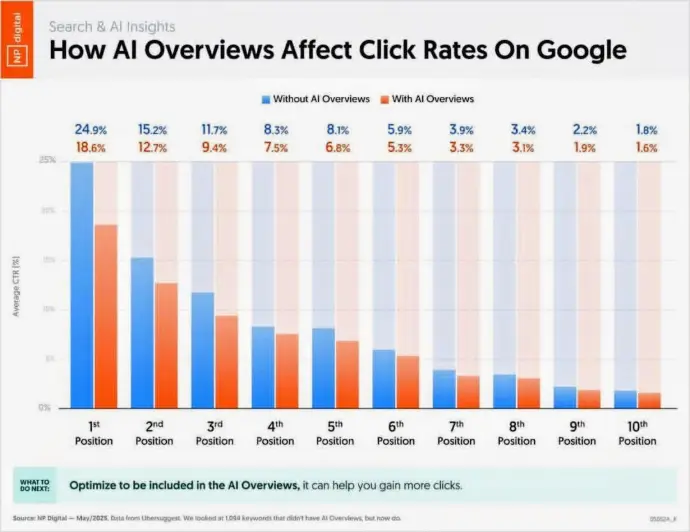
Source: SparkToro Zero-Click Search Research, Google Search Central documentation
Visibility Now Includes Being Cited — Not Just Ranking
Traditional SEO focused on ranking in the top 10 results. AI-driven SERPs introduce a second visibility layer: being selected and cited by generative answers.
This means:
You may rank #3 but still be invisible if AI doesn’t reference you
Smaller brands can appear alongside dominant sites if their content is clearer and more structured
Authority is evaluated across multiple signals, not just backlinks
This is where generative engine optimization begins to diverge from classic SEO.
How AI Is Changing SEO Tactics and Workflows
Automation Has Shifted the Human Role
AI tools now automate large portions of SEO execution:
Keyword discovery and clustering
SERP and competitor analysis
Content outlines and draft generation
Technical audits and pattern detection
As a result, the human role in generative AI and SEO has shifted upward:
Strategy over execution
Editorial judgment over volume
Differentiation over repetition
AI accelerates production. Humans define what deserves to exist.
Topic Maps Replace Keyword Lists
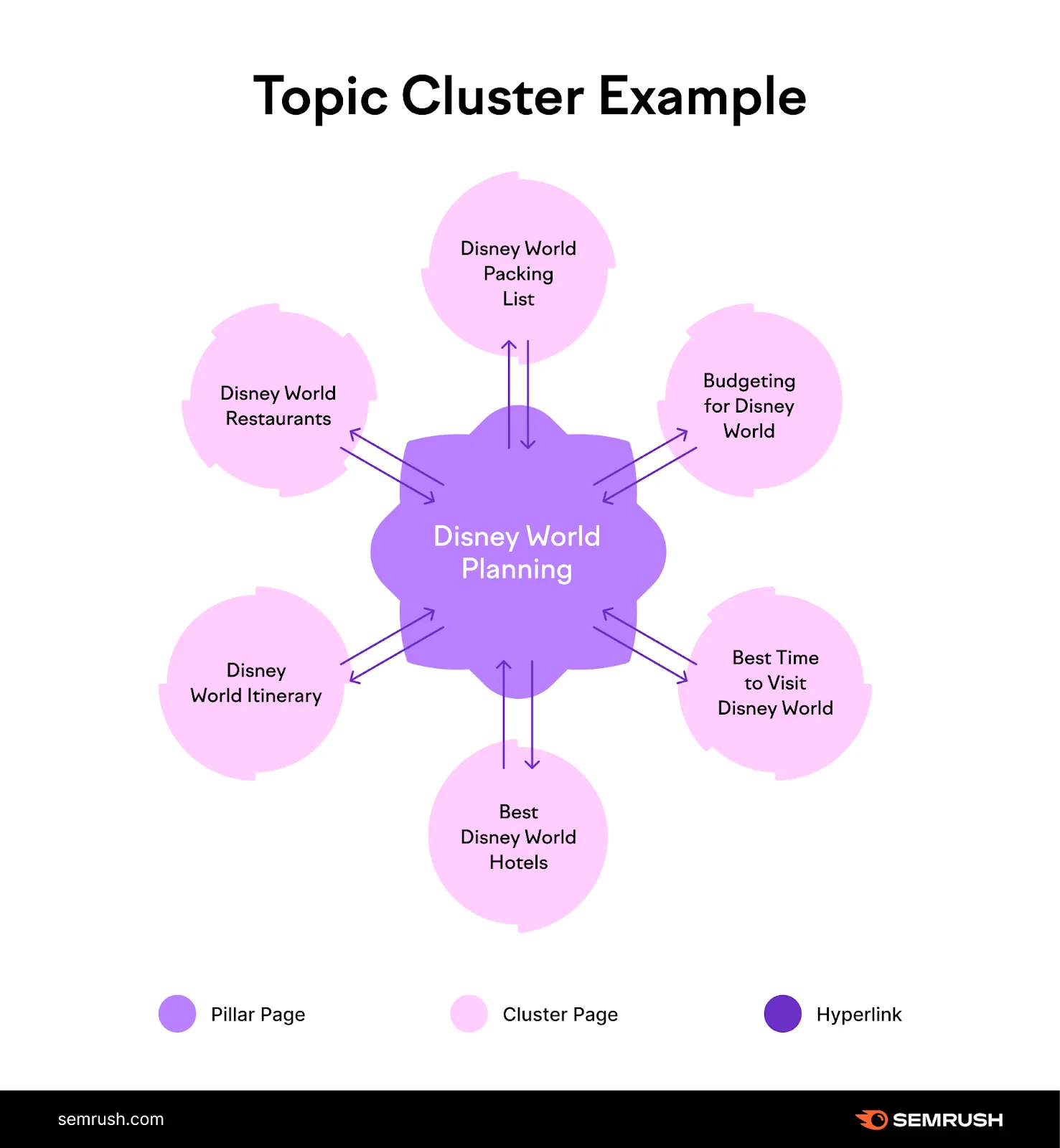
Instead of building pages around isolated keywords, modern SEO builds topical ecosystems:
One pillar page per core theme
Supporting subtopics that answer related questions
Strong internal linking to demonstrate subject depth
AI systems understand relationships, not just terms. Topic clustering helps both crawlers and generative models interpret expertise.
What Is Generative Engine Optimization (GEO)?
GEO Explained Simply
Generative Engine Optimization focuses on getting your content:
Selected
Synthesized
Cited
…inside AI-generated answers, not just ranked in traditional SERPs.
Unlike classic SEO, GEO prioritizes:
Clear definitions
Structured explanations
Trust and authority signals
Entity-level credibility
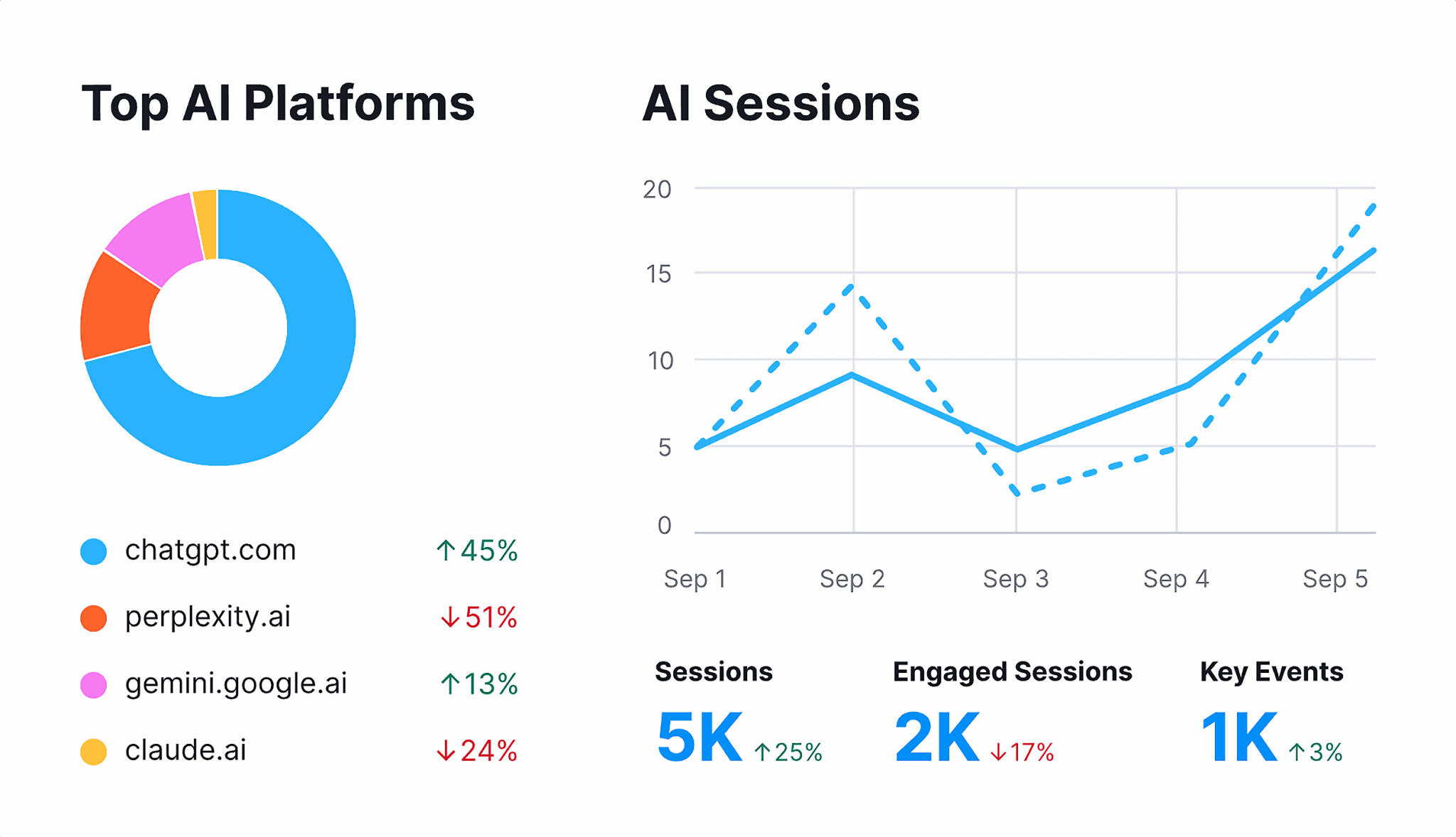
Source: Google Search Central (EEAT guidance), OpenAI & Gemini search behavior documentation, Industry synthesis (SEO + AI platform behavior)
Why E.E.A.T. Matters More Than Ever
AI systems don’t just read text — they evaluate trustworthiness.
Content favored by generative engines typically shows:
Experience: first-hand insights, examples, or case context
Expertise: accurate, in-depth explanations
Authoritativeness: brand mentions, citations, reputation
Trust: consistency, transparency, and clarity
This is why thin, mass-produced content is increasingly filtered out of AI answers.
What “Good Content” Looks Like in an AI SEO World
Answer First, Expand Second
AI systems extract answers quickly. So should your content. This is accomplished through technical SEO best practices.
High-performing formats now include:
Direct answers in the first 2–3 paragraphs
Scannable subheadings
Bullet points and tables
Clear definitions before deep dives
This structure benefits:
AI citation
Featured snippets
Human skimmers
Source: Semrush, Google Search Central (site structure & internal linking), Ahrefs topical authority studies, HubSpot SEO architecture research
Structure Is a Ranking Signal (Indirectly)
Well-structured content is easier for machines to parse and reuse.
Key elements:
Descriptive H2s written as questions
Logical information hierarchy
Clean internal linking
Accessible formatting
Structured content increases reuse potential across AI summaries and answer engines.
What Loses Traffic vs. What Gains Value
Content Likely to Lose Traffic
Basic definitions
Generic “what is” explanations
Thin informational posts
Undifferentiated listicles
Content That Gains Value
Complex decision guides
Comparisons and tradeoffs
Local and transactional intent
Tools, calculators, frameworks
Original insights and data
AI answers reduce discovery clicks but often increase high-intent visits.
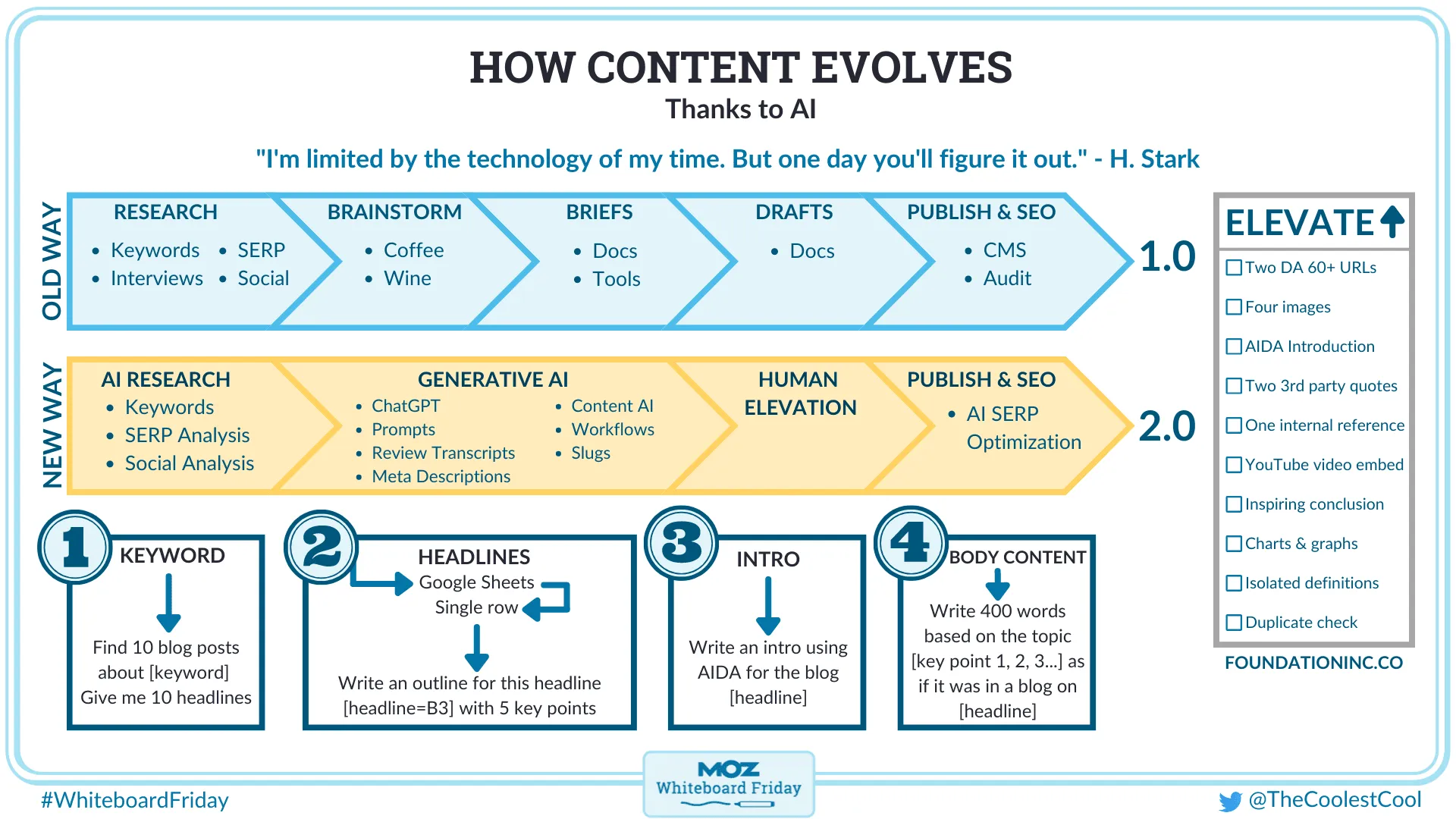
How to Rework a Content Calendar for AI Overviews
Instead of planning content around volume alone, shift to intent layers.
Old Model
50 keyword-based blog posts
One page per phrase
Traffic as primary KPI
AI-Adapted Model
- Strategic content creation
5–10 deep topic hubs
Supporting FAQs and sub-questions
Brand visibility and conversion focus
Each content cluster should answer:
What does AI need to understand this topic?
What does a human need to decide or act?
Source: HubSpot AI content strategy research, Content Marketing Institute (AI workflows), Internal synthesis based on generative SERP behavior
How to Optimize for AI Search Results (Practically)
1. Make Content Machine-Readable
Use descriptive headings
Break up long paragraphs
Summarize key points clearly
2. Build Entity Strength
Consistent brand mentions
Clear author and organization signals
Cohesive messaging across platforms
3. Use Structured Data Thoughtfully
Structured data helps machines interpret meaning, relationships, and context.
Common formats:
Article
FAQ (on-page, even without schema)
Organization
Product or Service
Measuring SEO Success in the AI Era
Traditional metrics still matter — but they’re incomplete.
New Metrics to Watch
Brand search growth
Visibility in AI answers
Engagement quality
Conversion rates from organic traffic
What to De-Emphasize
Raw traffic volume
Isolated keyword rankings
Single-page performance
Success now lives at the brand and topic level, not just URLs.
How AI Changes Team Structure and Collaboration
SEO can no longer operate in isolation. AI-adapted teams collaborate across:
Content
PR
Social
Product
UX
Why? Because AI engines synthesize information from everywhere, not just your website.
Consistency across channels reinforces trust signals.
Key Actions to Take Right Now
Audit content for clarity and structure
Consolidate thin pages into topic hubs
Update introductions to answer questions faster
Shift reporting toward conversions and brand lift
Treat AI as a multiplier, not a replacement
AI hasn’t replaced SEO — it has raised the bar.
Final Takeaway
AI is not the end of SEO — it’s the end of mechanical SEO.
The future belongs to marketers who use an AI SEO strategy that:
Builds real authority
Structures content for machines and humans
Measures success beyond rankings
Blends human strategy with AI execution
Author of This Post

Alexander Robinson III
Founder/Director of SEO
Download Our Guides
Content Categories
Solutions
Ready to reach your target audience? Let's talk!
Get started by requesting a 30 minute meeting to discuss your goals and learn how our Streaming Ads, SEO, and Brand Awareness Strategies can help.

FAQ's
Yes. SEO now drives fewer but more qualified visits and stronger brand authority.
Share This Post